How Communities Can Improve PPE Waste Disposal Together
In the wake of global health crises, such as the recent COVID-19 pandemic, the use of Personal Protective Equipment (PPE) like masks, gloves, and face shields has skyrocketed across the globe. While PPE has become essential for public safety, its improper disposal poses significant environmental and public health risks. How communities can improve PPE waste disposal together is a topic of growing concern and importance. This comprehensive guide will delve into strategies, collaborations, and best practices for enhancing PPE waste management at the community level, ensuring a cleaner, safer, and more sustainable future for all.
Understanding the PPE Waste Crisis
PPE waste comes primarily from single-use items such as surgical masks, nitrile gloves, and disposable gowns. According to scientific studies, millions of used PPE items end up in landfills and oceans every day. These materials are made predominantly from plastics like polypropylene and are non-biodegradable, lingering in our environment for decades.
Improper disposal of PPE items can lead to:
- Spread of Infectious Diseases: Used PPE can carry viruses or bacteria, posing risks to sanitation workers and the community.
- Environmental Pollution: Discarded masks and gloves can pollute waterways, clog sewage systems, and contribute to wildlife hazards.
- Visual Pollution: Public places littered with used PPE create unsightly surroundings.
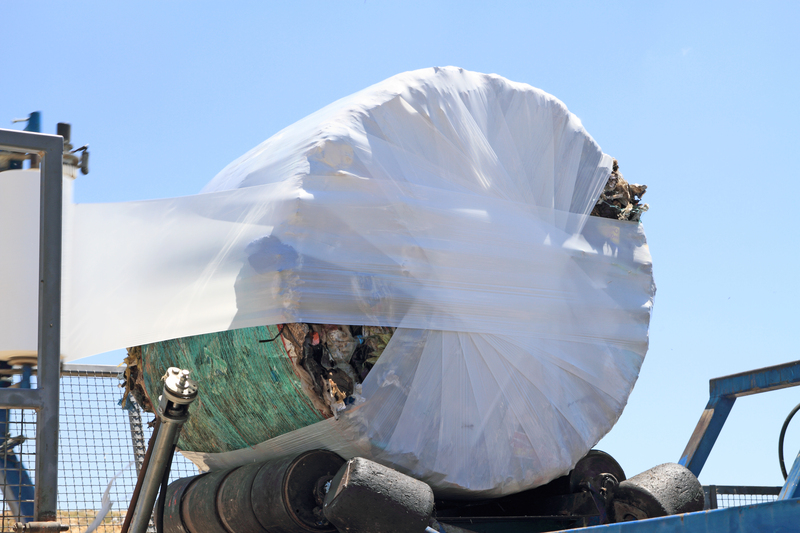
The Importance of Community Collaboration
No single organization or individual can tackle the PPE waste challenge alone. Community involvement in PPE waste disposal is essential because it pools resources, knowledge, and manpower. When neighborhoods, municipal authorities, businesses, and local organizations work together, they can create effective, lasting solutions that benefit everyone.
Let's explore actionable strategies communities can deploy to improve PPE waste disposal collectively.
1. Launch Community-Wide Education Campaigns
Effective education is the first step toward change. Many people are unaware of proper PPE waste disposal methods or the potential dangers associated with careless disposal. Local leaders and organizations can band together to:
- Distribute Online and Print Materials: Flyers, social media infographics, and newsletters highlighting the do's and don'ts of PPE disposal.
- Host Workshops & Webinars: Engage the community through virtual or in-person events on safe handling and disposal of used PPE.
- Collaborate with Schools: Integrate PPE waste management topics into school curricula, making children ambassadors for responsible behavior at home.
2. Improve Access to PPE Disposal Points
One common reason for improper PPE waste disposal is the lack of accessible, dedicated waste collection bins. Communities can:
- Install Clearly Marked Disposal Bins: Place specially-labeled bins in public areas such as parks, shopping centers, transit stops, and outside medical facilities.
- Provide Bins at Entry/Exit Points: Ensure all commercial buildings and public transport hubs have PPE-specific disposal points.
- Include Multilingual Instructions: Clear, simple, and multilingual labels ensure all residents understand how to correctly dispose of PPE.
3. Promote the Use of Reusable PPE Alternatives
Communities striving to reduce PPE waste generation can promote reusable options where safe and appropriate. For example:
- Encourage Reusable Masks: Promote cloth masks that can be washed and reused, reducing dependency on disposable varieties.
- Host Local Mask-Making Drives: Work with local artisans or organizations to produce and distribute reusable masks to vulnerable community members.
- Educate About Proper Maintenance: Inform residents about sanitizing and caring for reusable PPE to ensure ongoing safety.
4. Organize PPE Waste Collection Drives
Neighborhood clean-ups and organized collection efforts not only reduce litter but foster community spirit. The steps include:
- Set Regular Collection Events: Weekly or monthly PPE waste collection drives involving volunteers, local businesses, and waste management teams.
- Partner With Waste Management Companies: Ensure proper handling and final treatment of collected PPE waste.
- Reward Participation: Offer recognition or small incentives to encourage repeat participation.
5. Develop Community PPE Waste Management Policies
One of the most effective methods to enhance PPE waste disposal is establishing local policies. Community leaders can:
- Set Clear Guidelines: Provide instructions for individuals and businesses on storing, transporting, and disposing of PPE waste safely.
- Ban Improper Disposal: Enforce fines or other penalties for littering or unsafe disposal practices.
- Mandate Bin Provision: Require commercial establishments to maintain PPE disposal bins at entry and exit points.
6. Advocate for Municipal and Government Support
Communities can't shoulder the entire burden of PPE waste management without external support. Steps include:
- Liaise With Local Authorities: Petition for funding, PPE-specific waste collection services, and public disposal infrastructure.
- Secure Grants for Waste Initiatives: Apply for public health or environmental grants to fund education, supplies, and recycling programs.
- Contribute to Policy Discussions: Ensure community voices are heard in city and national decisions about waste management practices.
7. Implement Safe PPE Waste Collection and Treatment Practices
Besides collection, the proper handling and disposal of PPE waste is crucial to prevent secondary contamination. Community action plans should:
- Train Waste Workers: Offer specialized PPE handling training to sanitation and recycling workers.
- Double-Bagging Guidelines: Encourage residents and businesses to double-bag used PPE before disposal to contain contaminants.
- Ensure High-Temperature Incineration: Work with waste management experts to prioritize incineration or safe landfill methods for PPE waste.
The Role of Innovation in PPE Waste Management
How communities can improve PPE waste disposal is also a matter of embracing technological and organizational innovations:
- PPE Recycling Initiatives: Support or launch local research efforts to recycle single-use PPE into usable materials, like road surfacing products or new plastic items.
- Smart Bins: Deploy technology-enabled bins that alert authorities when full or track usage data to optimize bin placement and collection schedules.
- Developing Biodegradable PPE: Advocate for the adoption and procurement of eco-friendly PPE alternatives made from natural, compostable materials.
Success Stories: How Communities Have Made a Difference
- Singapore's Community Bins Program: The city-state designated special PPE bins in housing estates, with regular public information campaigns and a mobile app to report full bins.
- UK's Recycle Your PPE Initiative: Partnerships between local councils and recycling companies led to collection points and the transformation of used masks into construction materials.
- India's Clean Hands, Clean Community Drive: Grassroot organizations collaborated with waste-pickers, offering protective gear and training, with impressive compliance rates in PPE disposal.
These examples demonstrate that coordinated, well-planned initiatives at the community level can yield remarkable results in tackling the PPE waste dilemma.
Overcoming Challenges in Community PPE Waste Disposal
Implementing an effective PPE waste management system is not without hurdles. Communities often face:
- Limited Funding and Resources: Reliance on donations, grants, or municipal budgets for new bins, signage, or education campaigns.
- Behavioral Barriers: Changing ingrained habits around littering or improper disposal takes time and persistence.
- Logistical Issues: Managing regular collection and final treatment, especially in remote or high-density areas, can be complex.

Future Directions for Community-Based PPE Waste Disposal
The long-term vision for community PPE waste management involves integrating lessons learned during this critical period into future disaster preparedness plans. This means:
- Institutionalizing PPE Disposal Education: Embedding responsible disposal education into community culture and public schooling.
- Increasing Public-Private Partnerships: Mobilizing local businesses, entrepreneurs, and innovators to contribute resources and technology.
- Creating Emergency Response Frameworks: Ensuring every community has a ready-to-activate waste disposal protocol for future public health crises.
Conclusion: Creating a Safer, Cleaner Community Together
How communities can improve PPE waste disposal together is not only a matter of environmental stewardship, but also a public health imperative. Through collective action, shared responsibility, and embracing innovative solutions, neighborhoods can drastically reduce PPE litter, protect the environment, and keep residents safe.
Every community member plays a vital role. Whether you are joining clean-up drives, educating your neighbors, advocating for better policies, or simply disposing of your PPE correctly, your contribution matters. By working collaboratively, we build not just a cleaner community, but also a stronger, more resilient one.
Let us make PPE waste management a communal priority and pave the way toward a healthier, greener future -- together.
